



 Tyres
Tyres Services
 Fast Fit
 Offers
New Earth Mover Tyre from Ascenso
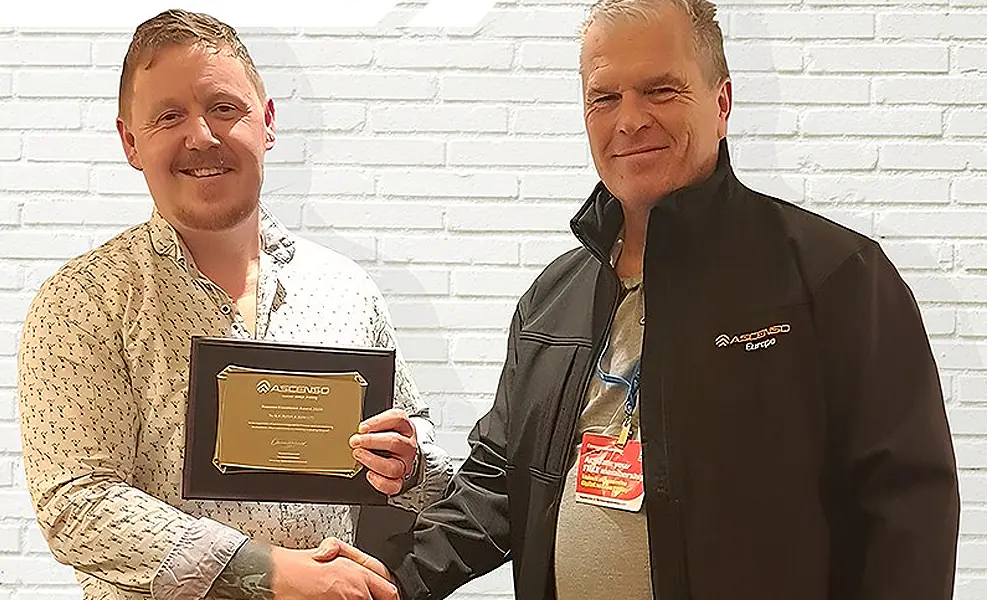
Article written by Bush Tyres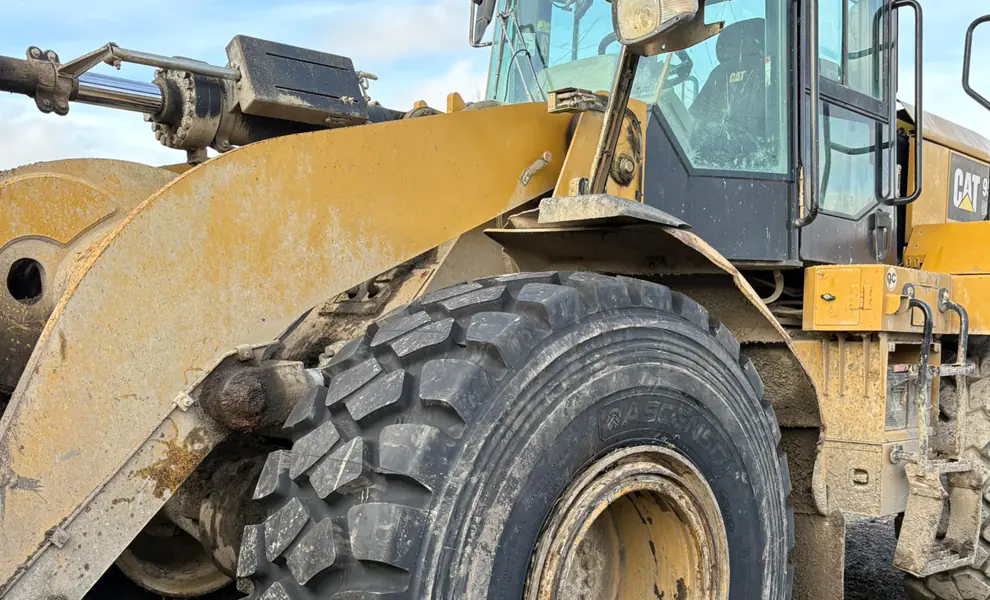
Toby Clowes Fits New ELR 3100 Earth Mover Tyre
The wait for Ascenso’s first radial Earth Mover Tyre to be fitted in the UK is finally over. On Monday 9th February A small team from Toby Clowes was sent to one of Welton Aggregate’s active processing sites on Spa Road in Lincoln.
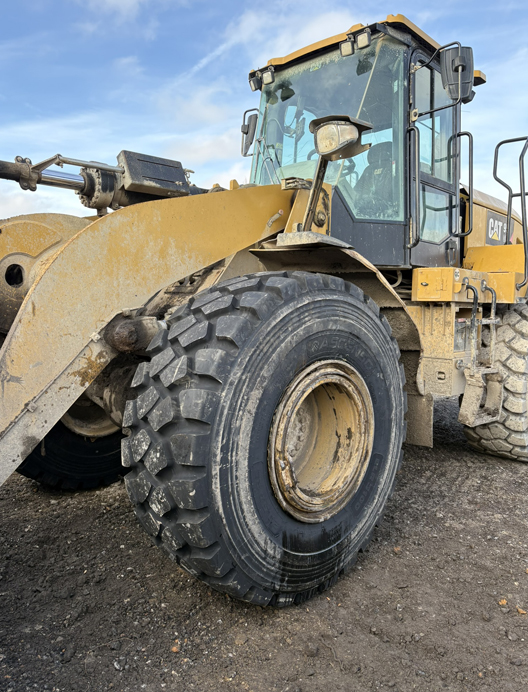
The machine in need of a pair of new tyres across its front axle was a CAT 950 GC Earth Mover from Caterpillar. The bucket measures 2.994m which means the bucket can carry 3.4msq of stone, shingle, slate, or anything else it wants to move from one place to another in an efficient manner.
The forces the Wheel Loader experiences whilst in operation are enormous. At 6.91 metres long and weighing in at 19.26 tonnes unladen, the tyres you choose to fit must be very specialist indeed.
Ascenso’s ELR 3100 Earth Mover Loader Radial tyre has been engineered to cope with the stresses a busy Earth Mover vehicle will be subject too.
The steel radial reinforcements within the tyre are the foundation upon which the tyre is built. The modern four block contemporary tread pattern maximises ground contact for improved traction and spreads pressure evenly which prevents premature wear to the tyre.
The ELR 3100’s wide footprint helps to deliver a smoother ride for the operator at the same time providing increased fuel economy.
Due to the four-block tread design, localised heat build-up is prevented, and the geometry of the lug pattern has been designed in such a way as to eject stones and debris.
The cut resistant rubber compound combined with the ELR 3100’s thick under tread and high strength carcass shields against cuts, sharp impacts, and punctures common in mining and construction.
This all leads to reduced downtime due to tyre damage.
Skilfully Fitting the Earth Mover Tyre
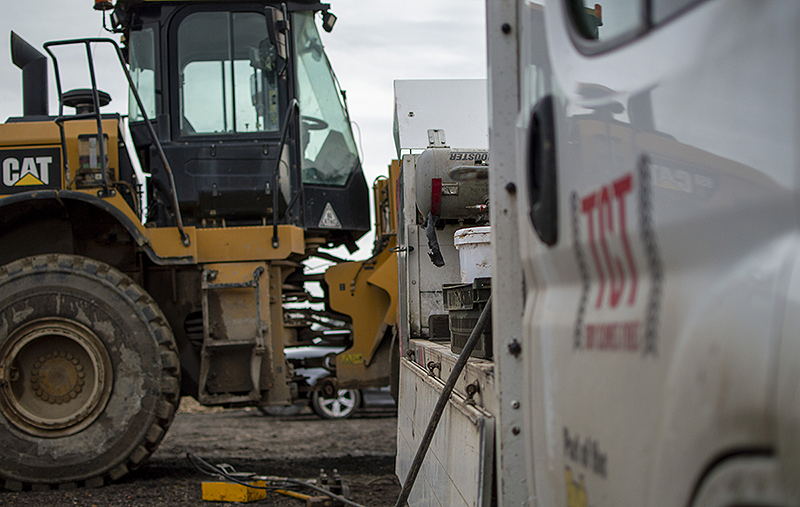
10:30am Monday 9th February
Josh and Ryan from Toby Clowes arrive on site to fit the new ELR 3100 tyres from Ascenso to which Welton Aggregates are testing and evaluating. Over the next few months regular tread depth measurements and wear indicators will be recorded.
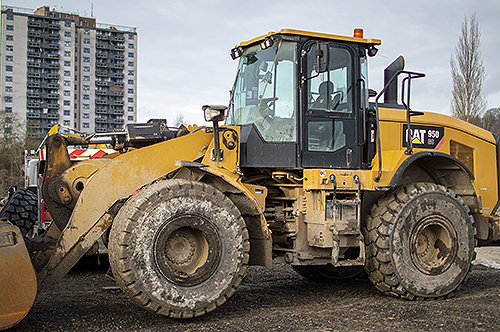
Work begins by removing the old worn tyre from the offside front. This involves releasing the air pressure in the tyre before the heavy-duty locking clip can be removed.
Next the team must break the seal that the worn tyre has formed with the wheel hub.
From here a hydraulic ram is used to coax the tyre away from the hub. When this process is over the tyre can be set to one side to reveal the main hub.
Work then begins on cleaning the hub and removing any debris from the channels that hold the rubber seals. Grease is then liberally applied to the rear flange of the wheel hub which help to remove the tyre when worn as well as to the bead of the new tyre.
The new tyre is then offered up to the cleaned and prepared hub. It then is slid onto the hub until contacts with the hubs rear flange.
All that remains now is to re-assemble the looking rings and plates over the wheel hub. Once satisfied that all the components are back in place and holding true, compressed air can then be pumped back into the new tyre.
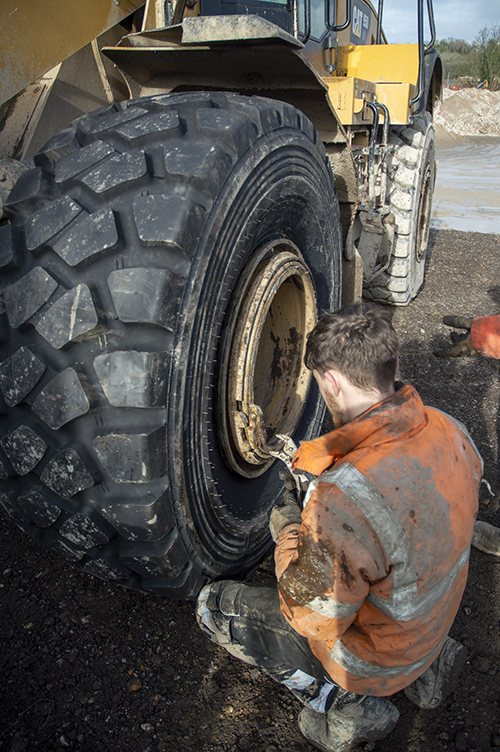
The team now carefully inflate the tyre stopping to check for leaks then once satisfied they continue to inflate the tyre to the specified inflation pressure which is based on the forces that will be exerted through each tyre.
With one side now complete the process is repeated for the other side.